
Legal requirements for property managers in Mobile include understanding local property management laws and regulations specific to Alabama, ensuring full legal compliance in property management activities. This step-by-step guide covers key property management laws by state and offers a comprehensive overview for those becoming property managers in Mobile.
Legal Requirements for Property Managers in Mobile, AL
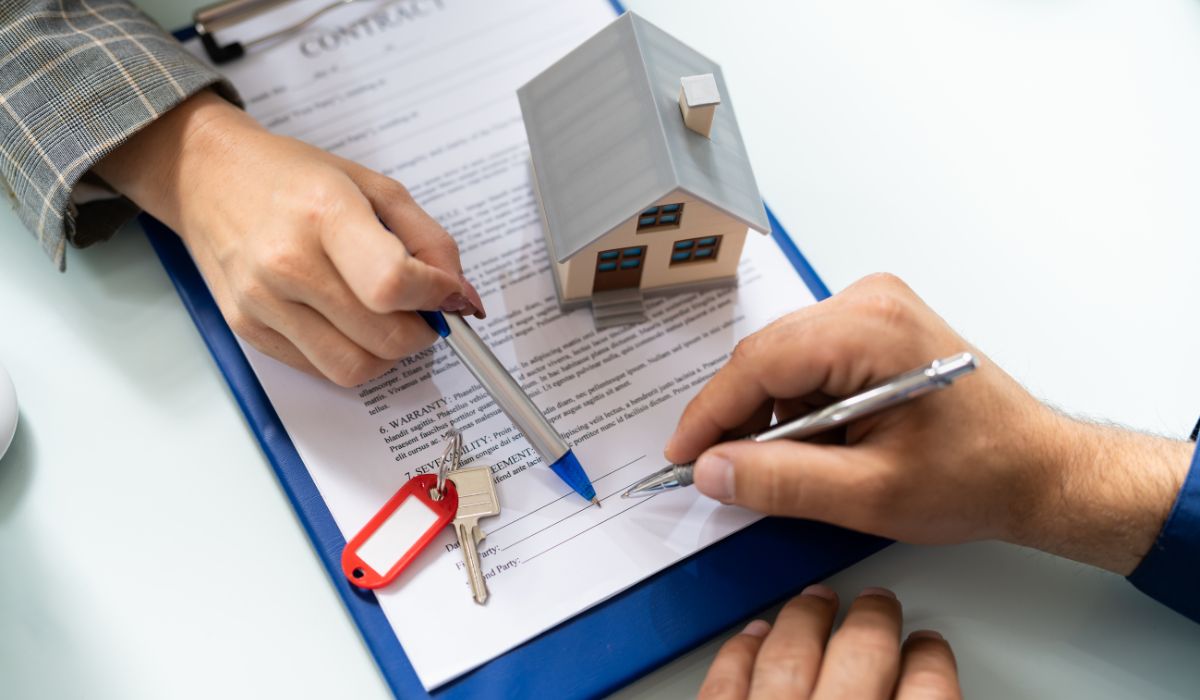
Managing properties in Mobile, Alabama comes with rules property managers have to follow. Knowing these legal obligations helps you stay on the right side of the law and avoid problems.
Licensing Requirements
In Alabama, the Alabama Real Estate Commission controls property management licensing. To manage properties legally, you need a real estate license. This shows you know your stuff and can handle property management well.
Steps to Get a License:
- Finish the required pre-license classes.
- Pass the state exam.
- Send in your application and pay any fees.
Getting this license proves you want to be professional and clear in how you manage rentals.
Trust Accounting Practices
You must handle tenant money carefully to follow the law. Property managers need to keep rent and security deposits separate from their own funds.
- Security Deposit Law Alabama: Landlords must return deposits within 60 days after the lease ends, unless they use some for damages or unpaid rent.
To stick with this law:
- Open a special trust account just for tenant money.
- Keep detailed records of all transactions.
This protects tenants and helps you avoid legal trouble.
Federal & State Laws Overview
You should know both federal and state laws about landlord-tenant rules:
- Alabama Landlord-Tenant Act:- This act explains rights and duties about leases, repairs, evictions, and more. Knowing it helps stop fights between landlords and tenants.
- Fair Housing Act:- This law stops discrimination based on race, color, national origin, religion, sex, family status, or disability when renting homes. Following it means treating all applicants fairly.
- Fair Credit Reporting Act:- This act controls how credit info is used during tenant screening. Property managers must follow proper steps when checking backgrounds.
Legal Eviction Procedures in Mobile County
Evicting a tenant takes following local rules carefully:
- Give written notice with reasons (like missed rent).
- File an unlawful detainer case if the tenant won’t leave.
- Go to court hearings and have all paperwork ready.
Not following these steps can delay or cancel your eviction case—so knowing local rules is key!
Lease Agreement Requirements
A clear lease protects everyone involved:
- State rent amount and when it’s due.
- List who fixes what.
- Rules about pets.
Clear lease agreements not only prevent confusion but also support how you rent and maintain your properties in strict compliance with state law.
Understanding Property Management in Mobile
Managing rental properties in Mobile means knowing the legal requirements and rules set by Alabama. Property managers must follow these laws to avoid problems or fines. These rules include licensing, dealing with tenants, handling security deposits, leases, and evictions.
Alabama property management regulations make sure landlords and managers act fairly. They also protect tenants’ rights. For example, the Alabama Landlord-Tenant Act sets rules for collecting rent, maintenance duties, and how much notice to give before changes. Federal laws like the Fair Housing Act also forbid discrimination based on things like race, gender, or disability.
To manage rentals well in Mobile:
- Get the right license from the Alabama Real Estate Commission.
- Handle security deposits by state rules.
- Follow proper eviction steps as Mobile courts require.
- Use lease agreements that meet state and federal laws.
Knowing these helps property managers avoid legal trouble and treat tenants right.
Navigating the Alabama Real Estate Landscape
The Alabama real estate market has strict licensing rules controlled by the Alabama Real Estate Commission (AREC). Anyone who wants to manage rentals in Mobile professionally must have a license from AREC. This proves they have completed education and follow ethical standards.
To get a real estate broker license, you must pass tests about local laws. These include landlord-tenant rules and fair housing laws. Licensed people know how to handle tricky issues like managing trust accounts or settling disputes legally.
Working with a licensed pro from our Mobile property management services protects landlords from inadvertently breaking property management regulations in Alabama, ensuring full compliance with AREC’s guidelines.
Alabama Real Estate Commission Requirements
To work legally as a property manager or real estate broker in Mobile:
- Get a License: You apply to AREC for the Mobile property manager license after meeting certain requirements.
- Have Experience: Usually, you need some experience working with licensed brokers first.
- Pass Exams: You take tests on contract law, ethics, handling trust funds, and landlord-tenant law.
- Background Check: You need a clean record for approval.
- Keep Your License Active: Renew it every two years and show proof of continuing education.
Following these steps helps you stay legal with mobile real estate broker licenses and property management licenses in Alabama.
Education and Examination Prerequisites
Before getting a license from AREC:
- Future property managers must finish pre-license courses approved by AREC.
- These classes cover leasing rules, state legal duties like limits on security deposits, fair housing laws, and risk management for landlords/managers in Mobile AL.
After finishing classes:
- You take an exam testing your knowledge of important rental management ideas under both state (Alabama Landlord-Tenant Act) and federal laws (Fair Credit Reporting Act).
This process shows you are ready to handle daily rental management challenges while following the law across Mobile County.
Continuing Education Obligations
Property managers licensed in Alabama must keep learning every renewal cycle—usually every two years—to keep their license valid:
- Continuing education covers updates about landlord–tenant laws affecting rentals statewide.
- Classes may explain new court decisions on eviction notices or changes about trust accounts for tenant funds collected inside Mobile city limits.
These updates help managers stay informed about changing rules that affect rental housing management around Mobile—making sure they comply with local requirements carefully.
Key Legal Responsibilities for Property Managers in Mobile, AL
Property managers in Mobile have to follow certain legal rules. These rules come from Alabama property management regulations. They help keep landlords and tenants safe. They also stop legal problems from happening. To follow these rules, managers should know state laws, local rules, and federal laws about rental homes.
Here are key duties for property managers:
- Get proper licensing if needed from the Alabama Real Estate Commission.
- Handle security deposits following state laws.
- Use clear lease agreements that fit Alabama law.
- Follow correct eviction steps by law.
- Keep good records and communicate openly.
Following these legal duties cuts risks for property managers. It also helps protect their clients’ investments better.
Compliance with the Alabama Landlord-Tenant Act
The Alabama Landlord-Tenant Act controls most landlord and tenant deals in the state, including Mobile. Property managers must know this law well to obey landlord-tenant laws Mobile AL.
Key points to remember:
- Landlord Responsibilities: Provide safe homes that meet health codes; fix problems fast; give notice before entering tenants’ units.
- Tenant Rights: Live in safe places; get fair eviction treatment; get notices about rent or lease changes on time.
- Rental Property Standards: Properties must meet basic safety codes set by local rules.
Not following these rules can cause tenant complaints or lawsuits. Keep up with any changes to stay on track.
If you want detailed advice about landlord responsibilities Mobile AL under this act, it’s good to talk with a licensed expert.
Fair Housing Act Regulations
All property managers in Mobile must obey the federal Fair Housing Act. This law stops discrimination based on race, color, religion, sex, national origin, family status, or disability when renting.
Here’s what managers must do:
- Use non-discriminatory policies with every applicant.
- Train staff on treating everyone fairly.
- Make sure ads don’t exclude any protected groups.
Protecting tenant rights helps keep renting fair and avoids costly discrimination claims. Check application steps often to follow fair housing rules—from screening to lease signing.
Lease Agreement Best Practices in Mobile AL
A good lease agreement helps landlords avoid fights and shows tenants their duties under Alabama law. In Mobile AL:
- Write leases clearly and make them easy to understand.
- Include important parts like rent amount and payment terms, who does maintenance, late fees (if any), pet policies (if needed), and how to end the lease.
- Follow rental application regulations—don’t ask illegal questions or screen unfairly against protected groups.
Strong leases stop confusion by setting clear rules at the start. Review your forms with a lawyer who knows local laws often.
Security Deposit Handling According to Alabama Law
Handling security deposits right is important under security deposit law Alabama:
- Keep deposits separate from other money—usually in escrow accounts if the contract says so.
- Return deposits within 35 days after the tenancy ends unless there are damages beyond normal wear.
- If you keep any money, give tenants a detailed list explaining why.
Holding deposits properly builds trust between landlords and tenants and helps avoid penalties under state laws about security deposit escrow and refund rules Alabama.
Eviction Procedures in Mobile County
Evictions must follow strict legal steps from state law and local court rules in Mobile County:
- Give a proper eviction notice (like a 7-day pay-or-vacate notice) depending on why you want to evict—usually unpaid rent.
- File eviction papers at the county courthouse if tenants don’t leave after notice.
- Go to hearings where a judge will decide if removal is lawful based on Alabama eviction filing process rules.
- Watch timelines carefully because wrong notices or missed deadlines slow things down (Alabama tenant eviction timeline).
Hiring pros who know how evictions work lowers risk of mistakes that could ruin your case.

Tenant Rights and Protections in Mobile
If you rent in Mobile, Alabama, you have rights that protect you. These rights make sure landlords treat tenants fairly. Knowing these tenant protections helps renters and landlords keep a good relationship.
In Alabama, tenants get safe and livable housing without discrimination. The Alabama Fair Credit Reporting Act controls how landlords check your credit. This law stops unfair treatment when landlords look at your financial info.
The Fair Housing Act works at the federal level but Alabama supports it with its own rules. It bans discrimination based on race, color, religion, sex, where you come from, disability, or family status. Landlords must follow these rules to avoid trouble.
Alabama’s tenant screening laws say landlords must use the same rules for every applicant. This stops landlords from unfairly denying someone for reasons that break the law. If a landlord denies you because of your credit report or application info, they have to tell you in writing.
By following fair policies and respecting tenant rights under both state and federal laws, landlords build trust and cut down on legal risks.
Alabama Fair Housing Laws
Alabama has strong fair housing regulations to keep rental housing free from discrimination. These laws work with the U.S. Fair Housing Act but can add local rules too.
Here’s what fair housing compliance means in Alabama:
- Treat all applicants the same when showing properties.
- Use equal standards for screening renters.
- Keep lease terms consistent for everyone.
- Avoid discrimination against groups like people of certain races or disabilities.
Following Alabama’s housing laws protects tenants’ rights and helps create communities where everyone has a fair chance at good housing.
If landlords break these laws, they can face fines or lawsuits. So landlords in Mobile County should keep up with these rules and train their staff regularly on what is allowed.
Dispute Resolution Strategies
When tenants and landlords disagree, fixing the problem fast helps both sides avoid bigger issues.
In Mobile County, mediation is popular for landlord-tenant conflicts. A neutral mediator helps both sides talk it out and find a solution without going to court.
Good ways to handle disputes include:
- Talking clearly about problems early on.
- Keeping notes about late rent or repair requests.
- Trying to settle issues before they get worse.
If things don’t get fixed informally:
- Landlords need to follow legal eviction steps.
- Tenants should know their rights about notices.
- Both can ask for help from local mediation services in Alabama.
Using clear dispute resolution keeps stress low and protects your rental investment.
Avoiding Legal Pitfalls in Property Management
If you manage property in Mobile, you must follow legal rules. Not doing so can cause big problems. You might get fined or face lawsuits. Plus, your reputation could suffer. Some common risks are breaking the Alabama Landlord-Tenant Act, mixing up security deposits under trust accounting laws, or ignoring fair housing rules.
Preventing discrimination is a big deal. The Fair Housing Act stops bias against race, color, religion, sex, national origin, disability, or family status. Skipping these rules can lead to serious legal trouble.
Here’s how to lower property management legal risks:
- Learn both state laws like Alabama Real Estate Commission’s licensing rules and federal ones.
- Use proper steps for lease deals and eviction notices required by Mobile County.
- Handle tenant money carefully with accurate trust accounting.
Staying ahead on these helps you avoid fights later on.
Risk Mitigation Techniques
You reduce risks better when you know local property laws well. Skilled pros spot problems early and use legal actions that fit Mobile landlords.
Try these tips:
- Keep up with changes in Alabama landlord-tenant laws.
- Use clear policies that follow the Fair Credit Reporting Act when checking tenants.
- Check leases closely to meet state rules.
When things get tricky, ask a lawyer for help. Licensed lawyers guide you through tough eviction steps that Mobile courts accept.
Doing this cuts down chances of fines and builds trust with tenants by being fair and open.
Importance of Accurate Record-Keeping
Keeping accurate records—much like following a streamlined collections process—can safeguard managers against disputes over rent or security deposits. Alabama’s trust accounting law says tenant money must be separate from personal cash.
Keep track of:
- All money movements for deposits and rent.
- Written proof of talks about leases or fixes needed.
These records help during checks by the Alabama Real Estate Commission or court cases. They also make taxes easier and keep your business neat.
By focusing on clear accounting for Alabama trust accounts, you avoid claims of bad management or fraud by tenants.
Seeking Professional Legal Counsel
Property laws change fast and can be confusing. Getting help from licensed pros who know Mobile rules is smart. Without help, self-managing landlords risk breaking new laws like updates in the Alabama Landlord-Tenant Act or local court rules.
Licensed pros assist with:
- Checking contracts before signing leases.
- Advising on legal eviction notices that fit Mobile County.
- Making sure you follow Fair Housing rules to avoid discrimination claims.
Hiring experts lowers your risk and lets you run your rentals knowing you meet all official standards set by groups like the Alabama Real Estate Commission.
Following legal requirements as a property manager in Mobile, AL takes care but builds trust with clients and tenants! For help meeting these rules smoothly—contact The Rent Experts! We make managing rentals easier while keeping you within the law every step of the way!